
A Flexible Library of
Ready-to-Teach
English Teaching Sequences
Designed by English specialists so teachers can plan less and teach with confidence.
Save time. Develop confident writers.
Aligned to the UK national curriculum and The Writing Framework (2025)
The Teaching Bookshelf
Build your own teaching library
The Teaching Bookshelf allows you to build a personalised collection of high-quality English teaching sequences over time. Choose individual sequences tailored to your year group and add them to your digital bookshelf whenever you need them.
Each teaching sequence is available as a standalone purchase from £5.99, making The Teaching Bookshelf ideal for individual teachers who want to develop and refine their teaching practice with flexibility and confidence.


What’s included in a teaching sequence?
When you purchase a teaching sequence from The Teaching Bookshelf, you receive a complete, classroom-ready teaching package designed to support effective practice and strong writing outcomes. Each teaching sequence is designed by an experienced specialist to save teachers time, strengthen pedagogy and improve writing outcomes, while still allowing flexibility to adapt learning for individual classes.
Each teaching sequence includes:
A detailed and carefully sequenced planning framework
for the chosen year group, incorporating engaging, creative and evidence-informed pedagogical approaches.
Clear, comprehensive lesson guidance and supporting resources
Expert subject knowledge and modelling
A carefully selected, high-quality children’s text
at the heart of the teaching sequence, chosen to inspire pupils and model effective writing.
Planned progression in writing skills
building towards purposeful and meaningful writing outcomes in a range of forms.
A strong emphasis on securing transcription skills
Embedded opportunities for oracy and discussion
Suggested scaffolds and lesson adaptations
Find resources for your year group
Browse our comprehensive collection of teaching sequences for every year group
Featured Collections
Spotlight on Year 1

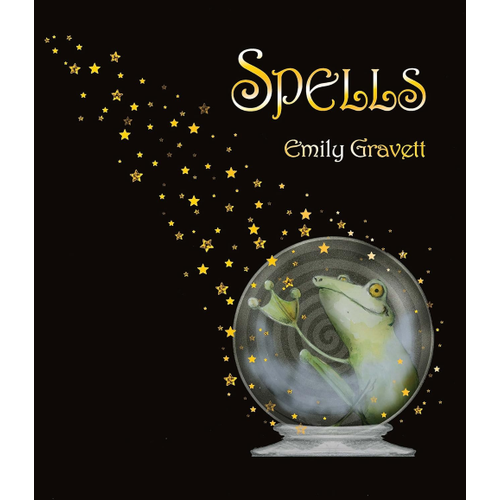
Spells
by Emily Gravett
- Instant digital downloads
- Complete lesson plans & resources
- Suggested adaptations to support all learners
- Mapped to UK National Curriculum
 Transition Model
This teaching sequence has been specifically designed to support small-group transition teaching. We recognise that the move from Early Years to Year 1 can be challenging, as children adapt to a more formal learning environment and the increased demands of the Key Stage 1 curriculum. These adapted sequences provide a balance between Year 1 curriculum expectations and an age-appropriate, play-based approach, supporting effective English learning during this transition period.
 Learning Outcomes
Write a spell to become…
(a unicorn, a princess, a superhero, invisible, a frog, a witch, a wizard, a dragon, a giant man-eating spider…)
Curriculum Objectives
- Read accurately by blending sounds in unfamiliar words containing GPCs that have been taught.
- Saying out loud what they are going to write about.
- How words can combine to make sentences.
- Sequencing sentences to form short narratives.
£5.99
Spells
by Emily Gravett
- Instant digital downloads
- Complete lesson plans & resources
- Suggested adaptations to support all learners
- Mapped to UK National Curriculum
Learning Outcomes
Write a spell to become…
(a unicorn, a princess, a superhero, invisible, a frog, a witch, a wizard, a dragon, a giant man-eating spider…)
Curriculum Objectives
- Read accurately by blending sounds in unfamiliar words containing GPCs that have been taught.
- Saying out loud what they are going to write about.
- How words can combine to make sentences.
- Sequencing sentences to form short narratives.
£5.99

One Fox
by Kate Read
- Instant digital downloads
- Complete lesson plans & resources
- Suggested adaptations to support all learners
- Mapped to UK National Curriculum
Transition Model
This teaching sequence has been specifically designed to support small-group transition teaching. We recognise that the move from Early Years to Year 1 can be challenging, as children adapt to a more formal learning environment and the increased demands of the Key Stage 1 curriculum. These adapted sequences provide a balance between Year 1 curriculum expectations and an age-appropriate, play-based approach, supporting effective English learning during this transition period.
Learning Outcomes
Create a zig zag counting book containing simple descriptive noun phrases.
Curriculum Objectives
- Write from memory simple sentences dictated by the teacher that include words using the GPCs and common exception words taught so far.
- Form digits 0-9.
- Drawing on what they already know or on background information and vocabulary provided by the teacher.
- Spell words containing each of the 40+ phonemes already taught.
- Sequencing sentences to form short narratives.
£5.99
One Fox
by Kate Read
- Instant digital downloads
- Complete lesson plans & resources
- Suggested adaptations to support all learners
- Mapped to UK National Curriculum
Learning Outcomes
Create a zig zag counting book containing simple descriptive noun phrases.
Curriculum Objectives
- Write from memory simple sentences dictated by the teacher that include words using the GPCs and common exception words taught so far.
- Form digits 0-9.
- Drawing on what they already know or on background information and vocabulary provided by the teacher.
- Spell words containing each of the 40+ phonemes already taught.
- Sequencing sentences to form short narratives.
£5.99

Once Upon a Jungle
by Laura Knowles
- Instant digital downloads
- Complete lesson plans & resources
- Suggested adaptations to support all learners
- Mapped to UK National Curriculum
Transition Model
This teaching sequence has been specifically designed to support small-group transition teaching. We recognise that the move from Early Years to Year 1 can be challenging, as children adapt to a more formal learning environment and the increased demands of the Key Stage 1 curriculum. These adapted sequences provide a balance between Year 1 curriculum expectations and an age-appropriate, play-based approach, supporting effective English learning during this transition period.
Learning Outcomes
Write ‘daisy chain’ sentences inspired by the text, in the form of an accordion book.
Curriculum Objectives
- Recognising and joining in with predictable phrases.
- Discussing word meanings, linking new meanings to those already known.
- Add the suffix ‘ed.’
- Spell words containing each of the 40+ phonemes already taught.
- Write sentences by composing a sentence orally before writing it.
£5.99
Once Upon a Jungle
by Laura Knowles
- Instant digital downloads
- Complete lesson plans & resources
- Suggested adaptations to support all learners
- Mapped to UK National Curriculum
Learning Outcomes
Write ‘daisy chain’ sentences inspired by the text, in the form of an accordion book.
Curriculum Objectives
- Recognising and joining in with predictable phrases.
- Discussing word meanings, linking new meanings to those already known.
- Add the suffix ‘ed.’
- Spell words containing each of the 40+ phonemes already taught.
- Write sentences by composing a sentence orally before writing it.
£5.99

Maya’s Walk
by Moira Butterfield and Kim Geyer
- Instant digital downloads
- Complete lesson plans & resources
- Suggested adaptations to support all learners
- Mapped to UK National Curriculum
Transition Model
This teaching sequence has been specifically designed to support small-group transition teaching. We recognise that the move from Early Years to Year 1 can be challenging, as children adapt to a more formal learning environment and the increased demands of the Key Stage 1 curriculum. These adapted sequences provide a balance between Year 1 curriculum expectations and an age-appropriate, play-based approach, supporting effective English learning during this transition period.
Learning Outcomes
Write sentences using the senses.
Curriculum Objectives
- Becoming very familiar with key stories and considering their characteristics.
- Read and spell Common Exception Words.
- Using a capital letter for the personal pronoun ‘I’.
£5.99
Maya’s Walk
by Moira Butterfield and Kim Geyer
- Instant digital downloads
- Complete lesson plans & resources
- Suggested adaptations to support all learners
- Mapped to UK National Curriculum
Learning Outcomes
Write sentences using the senses.
Curriculum Objectives
- Becoming very familiar with key stories and considering their characteristics.
- Read and spell Common Exception Words.
- Using a capital letter for the personal pronoun ‘I’.
£5.99

Martha Maps It Out
by Leigh Hodgkinson
- Instant digital downloads
- Complete lesson plans & resources
- Suggested adaptations to support all learners
- Mapped to UK National Curriculum
Transition Model
This teaching sequence has been specifically designed to support small-group transition teaching. We recognise that the move from Early Years to Year 1 can be challenging, as children adapt to a more formal learning environment and the increased demands of the Key Stage 1 curriculum. These adapted sequences provide a balance between Year 1 curriculum expectations and an age-appropriate, play-based approach, supporting effective English learning during this transition period.
Learning Outcomes
Produce a labelled map/floor plan of their dream classroom.
Curriculum Objectives
- Listening to and discussing a wide range of non-fiction at a level beyond that at which they can read independently.
- Read accurately by blending sounds in unfamiliar words containing GPCs that have been taught.
- Spell words containing each of the 40+ phonemes already taught.
- Use spoken language to develop understanding through speculating, hypothesising, imagining, and exploring ideas.
- Discuss what they have written with the teacher or other pupils.
£5.99
Martha Maps It Out
by Leigh Hodgkinson
- Instant digital downloads
- Complete lesson plans & resources
- Suggested adaptations to support all learners
- Mapped to UK National Curriculum
Learning Outcomes
Produce a labelled map/floor plan of their dream classroom.
Curriculum Objectives
- Listening to and discussing a wide range of non-fiction at a level beyond that at which they can read independently.
- Read accurately by blending sounds in unfamiliar words containing GPCs that have been taught.
- Spell words containing each of the 40+ phonemes already taught.
- Use spoken language to develop understanding through speculating, hypothesising, imagining, and exploring ideas.
- Discuss what they have written with the teacher or other pupils.
£5.99

Flashlight
by Lizi Boyd
- Instant digital downloads
- Complete lesson plans & resources
- Suggested adaptations to support all learners
- Mapped to UK National Curriculum
Transition Model
This teaching sequence has been specifically designed to support small-group transition teaching. We recognise that the move from Early Years to Year 1 can be challenging, as children adapt to a more formal learning environment and the increased demands of the Key Stage 1 curriculum. These adapted sequences provide a balance between Year 1 curriculum expectations and an age-appropriate, play-based approach, supporting effective English learning during this transition period.
Learning Outcomes
Write a list of everything that can be seen in the flashlight/torch.
Curriculum Objectives
- Read accurately by blending sounds in unfamiliar words containing GPCs that have been taught.
- Spell words containing each of the 40+ phonemes already taught.
- Write from memory simple sentences dictated by the teacher that include words using the GPCs and common exception words taught so far.
- To join words using ‘and’.
£5.99
Flashlight
by Lizi Boyd
- Instant digital downloads
- Complete lesson plans & resources
- Suggested adaptations to support all learners
- Mapped to UK National Curriculum
Learning Outcomes
Write a list of everything that can be seen in the flashlight/torch.
Curriculum Objectives
- Read accurately by blending sounds in unfamiliar words containing GPCs that have been taught.
- Spell words containing each of the 40+ phonemes already taught.
- Write from memory simple sentences dictated by the teacher that include words using the GPCs and common exception words taught so far.
- To join words using ‘and’.
£5.99
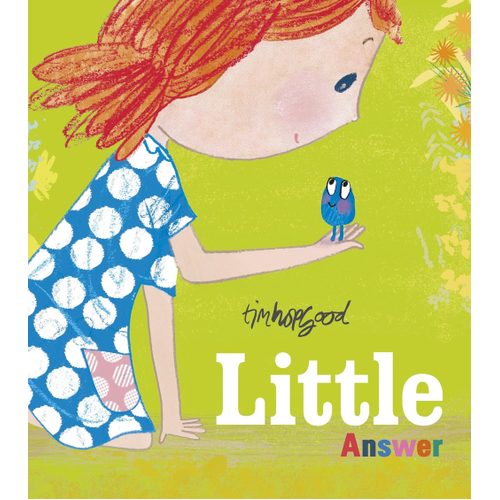
Little Answer
by Tim Hopgood
- Instant digital downloads
- Complete lesson plans & resources
- Suggested adaptations to support all learners
- Mapped to UK National Curriculum
Learning Outcomes
Produce a questionnaire for your friends to complete.
Curriculum Objectives
- Become very familiar with key stories, fairy stories and traditional tales, retell them and consider their characteristics.
- Begin to punctuate sentences using a capital letter and a full stop, question mark or exclamation mark.
- Spell common exception words.
- Read aloud their writing clearly enough to be heard by their peers and the teacher.
- Ask relevant questions to extend their understanding and knowledge.
£8.99
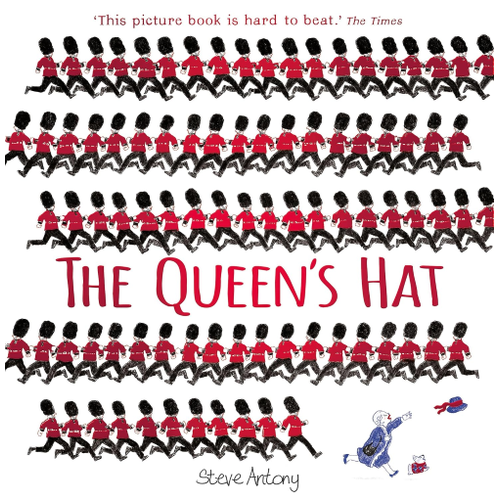
The Queen’s Hat
by Steve Antony
- Instant digital downloads
- Complete lesson plans & resources
- Suggested adaptations to support all learners
- Mapped to UK National Curriculum
Learning Outcomes
Write and retell an innovated version of the story, applying prepositions.
Curriculum Objectives
- Become very familiar with key stories, fairy stories and traditional tales, retell them and consider their characteristics.
- Draw on what they already know or on background information and vocabulary provided by the teacher.
- Use –Ing, –ed, –er and –est where no change is needed in the spelling of root words [for example, helping, helped, helper, eating, quicker, quickest].
- Use a capital letter for the names of places.
- Say out loud what they are going to write about.
- Sequence sentences to form short narratives.
- Read aloud their writing clearly enough to be heard by their peers and the teacher.
£8.99
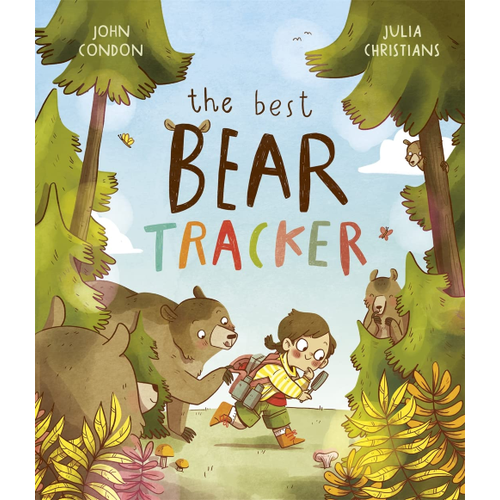
The Best Bear Tracker
by John Condon and Julia Christians
- Instant digital downloads
- Complete lesson plans & resources
- Suggested adaptations to support all learners
- Mapped to UK National Curriculum
Learning Outcomes
Write advice on how to find a bear, in the form of a poster, applying prepositions, ‘Ing’ verbs and alternative verbs.
Curriculum Objectives
- Spell words containing each of the 40+ phonemes already taught.
- Discuss word meanings, linking new meanings to those already known.
- Use spoken language to develop understanding through speculating, hypothesising, imagining and exploring ideas.
- Explain clearly their understanding of what is read to them.
- Say out loud what they are going to write about.
- Write sentences by composing a sentence orally before writing it.
£8.99
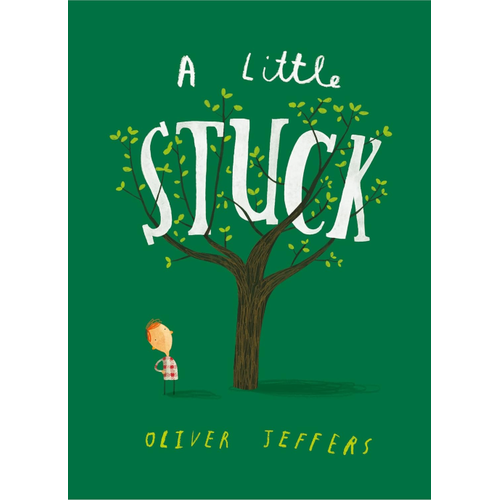
A Little Stuck
by Oliver Jeffers
- Instant digital downloads
- Complete lesson plans & resources
- Suggested adaptations to support all learners
- Mapped to UK National Curriculum
Learning Outcomes
Embed ‘daisy chain’ sentences within a short, sequenced narrative.
Curriculum Objectives
- Predict what might happen on the basis of what has been read so far.
- Spell words containing each of the 40+ phonemes already taught.
- Add prefixes and suffixes using ‘un’ and ‘ing’.
- Sequence sentences to form short narratives.
- Draw on vocabulary provided by the teacher.
- Begin to form lower-case letters in the correct direction, starting and finishing in the right place.
£8.99
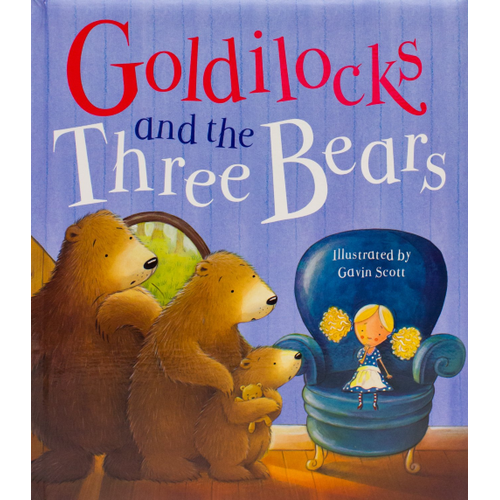
Goldilocks and the Three Bears
by Gavin Scott and Sarah Delmege
- Instant digital downloads
- Complete lesson plans & resources
- Suggested adaptations to support all learners
- Mapped to UK National Curriculum
Learning Outcomes
To sequence, retell and rewrite a familiar tale.
Curriculum Objectives
- Become very familiar with key stories, fairy stories and traditional tales, retell them and consider their particular characteristics.
- Spell words containing each of the 40+ phonemes already taught
- Write from memory simple sentences dictated by the teacher that include words using the GPCs and common exception words taught so far.
- Write sentences by sequencing sentences to form short narratives.
£8.99
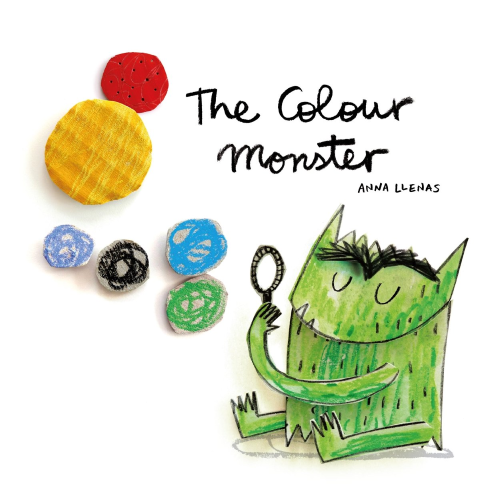
The Colour Monster
by Anna Llenas
- Instant digital downloads
- Complete lesson plans & resources
- Suggested adaptations to support all learners
- Mapped to UK National Curriculum
Learning Outcomes
Write similes to describe how they feel for every day of the week.
Curriculum Objectives
- Be encouraged to link what they read or hear read to their own experiences.
- Discuss word meanings, linking new meanings to those already known.
- Spell the days of the week.
- Join words and join clauses using and.
- Explain clearly their understanding of what is read to them.
- Draw on what they already know or on background information and vocabulary provided by the teacher.
- Sequence sentences to form short narratives.
£8.99
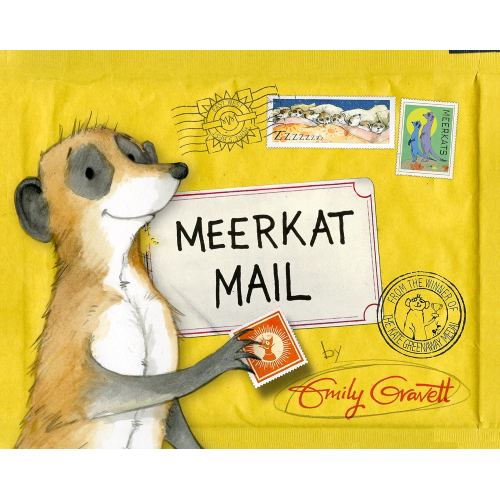
Meerkat Mail
by Emily Gravett
- Instant digital downloads
- Complete lesson plans & resources
- Suggested adaptations to support all learners
- Mapped to UK National Curriculum
Learning Outcomes
Write a recount of Sunny’s week.
Curriculum Objectives
- Understand both the books they can already read accurately and fluently and those they listen to by drawing on what they already know or on background information and vocabulary provided by the teacher.
- Spell words containing each of the 40+ phonemes already taught.
- Make inferences on the basis of what is being said and done.
- Spell the days of the week.
- Become very familiar with key stories, fairy stories and traditional tales, retell them and consider their characteristics.
- Join words and joining clauses using and.
- Begin to punctuate sentences using a capital letter and a full stop, question mark or exclamation mark.
- Write sentences by sequencing sentences to form short narratives.
- Re-read what they have written to check that it makes sense.
- Discuss what they have written with the teacher or other pupils.
- Begin to form lower-case letters in the correct direction, starting and finishing in the right place.
£8.99
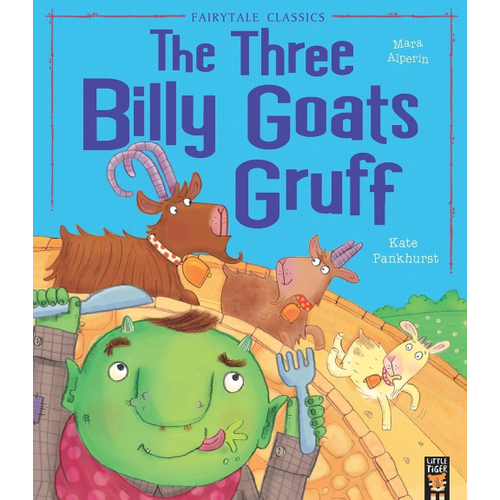
The Three Billy Goats Gruff
by Mara Alperin and Kate Pankhurst
- Instant digital downloads
- Complete lesson plans & resources
- Suggested adaptations to support all learners
- Mapped to UK National Curriculum
Learning Outcomes
To sequence, retell and rewrite a familiar tale.
Curriculum Objectives
- Become very familiar with key stories, fairy stories and traditional tales, retell them and consider their characteristics.
- Discuss word meanings, linking new meanings to those already known.
- Use –er and –est where no change is needed in the spelling of root words [for example, helping, helped, helper, eating, quicker, quickest.)
- Write sentences by sequencing sentences to form short narratives.
- Read aloud their writing clearly enough to be heard by their peers and the teacher.
£8.99

Dear Mother Goose
by Michael Rosen and Nick Sharratt
- Instant digital downloads
- Complete lesson plans & resources
- Suggested adaptations to support all learners
- Mapped to UK National Curriculum
Learning Outcomes
Write letters of advice and letters seeking advice to nursery rhyme characters.
Curriculum Objectives
- Learn to appreciate rhymes and poems, and to recite some by heart.
- Draw on what they already know or on background information and vocabulary provided by the teacher.
- Write sentences by sequencing sentences to form short narratives.
- Give a well-structured oral description.
£8.99

Hom
by Jeanne Willis and Paddy Donnelly
- Instant digital downloads
- Complete lesson plans & resources
- Suggested adaptations to support all learners
- Mapped to UK National Curriculum
Learning Outcomes
Recount the adventures that the boy has on the island with Hom.
Curriculum Objectives
- Listen to and discuss a wide range of poems, stories and non-fiction at a level beyond that at which they can read independently.
- Discuss word meanings, linking new meanings to those already known.
- Become very familiar with key stories, fairy stories and traditional tales, retell them and consider their characteristics.
- Begin to punctuate sentences using a capital letter and a full stop, question mark or exclamation mark.
- Join words and join clauses using and.
- Re-read what they have written to check that it makes sense.
- Discuss what they have written with the teacher or other pupils.
- Say out loud what they are going to write about.
- Sequence sentences to form short narratives.
- Begin to form lower-case letters in the correct direction, starting and finishing in the right place.
£8.99
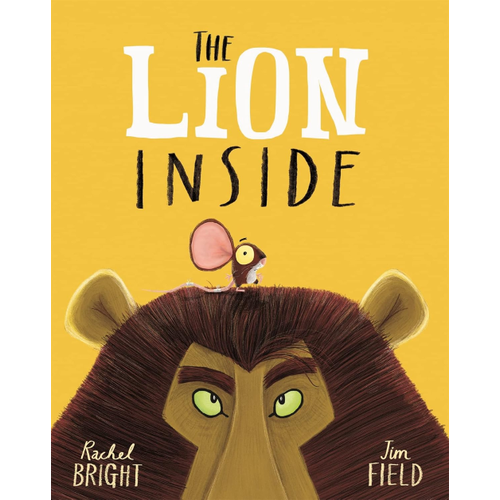
The Lion Inside
by Rachel Bright
- Instant digital downloads
- Complete lesson plans & resources
- Suggested adaptations to support all learners
- Mapped to UK National Curriculum
Learning Outcomes
Write a character description of the mouse and the lion in the story, applying all the rich vocabulary explored.
Curriculum Objectives
- Become very familiar with key stories, fairy stories and traditional tales, retell them and consider their characteristics.
- Recognise and join in with predictable phrases.
- Draw on what they already know or on background information and vocabulary provided by the teacher.
- Discuss word meanings, linking new meanings to those already known.
- Use –Est where no change is needed in the spelling of root words.
- Sequence sentences to form short narratives.
- Re-read what they have written to check that it makes sense.
£8.99
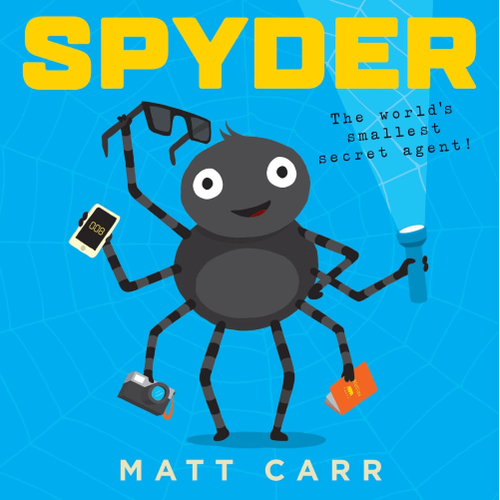
Spyder
by Matt Carr
- Instant digital downloads
- Complete lesson plans & resources
- Suggested adaptations to support all learners
- Mapped to UK National Curriculum
Learning Outcomes
Write a fact file about a spider in the style of the book.
Curriculum Objectives
- Discuss the significance of the title and events.
- Draw on what they already know or on background information and vocabulary provided by the teacher.
- Write sentences by saying out loud what they are going to write about.
- Spell words containing each of the 40+ phonemes already taught.
- Join words and join clauses using and.
- Write from memory simple sentences dictated by the teacher that include words using the GPCs and common exception words taught so far.
- Sequence sentences to form short narratives.
- Discuss what they have written with the teacher or other pupils.
- Begin to form lower-case letters in the correct direction, starting and finishing in the right place.
£8.99
Start building your Teaching Bookshelf today
Join your teaching colleagues who trust The Teaching Bookshelf for their English and Literacy planning
